Norwin YuAI usage research
中文 AI usage research

Experiments / 2026

Experiments in code.

Games are one probe, coding tools are another, and the rig itself is the third. All of them test how far an LLM can carry a real production pipeline — generated assets, code, UI, verification and deployment — and where a human still has to intervene.

07 game probes02 comparisons04 coding tools05 workloadsLive / source linked

The map

One catalogue, four variables.

The projects are not a list of games. Each one isolates a variable: model capability, the amount of leverage around it, the asset pipeline, or the verification loop.

01

Quantisation

What does a 1.6-bit local copy of a model cost a 3D scene? Ming Palace 3D is the quantisation probe; the same brief also went to Fable 5.2.

02

Leverage

What changes when the model gets an agent/skill harness instead of a plain API loop? NEON BREACH is the no-harness control.

03

Asset pipeline

Procedural code, generated images/video, or Blender-assisted? Mistvale is the no-Blender baseline; the Blender build is now in the comparison.

04

Verification

Playwright, screenshot review, collision checks and a six-gate harness. A build is not a result until it can be inspected.

Experiment map: projects and the variable each one tests
ExperimentWhat it testsModelLeverage
魔都夜行OSM city plus a night simulationDeepSeek Flash → Fable 5.2 + Opus 5.5Code/systems; OSM pipeline; single-file build
青云渡Open-world 3D shipped as two filesFable 5.2 + Opus 5.5Code/systems/UI; runtime-generated art and audio; node:test
ECHO ZEROFull narrative pipeline + added voice layerDeepSeek Flash + MiniMax H3Code/UI/audio; generated art, video, music; Edge TTS
烽火三国Generated assets inside a complete game loopDeepSeek Flash + MiniMax H3Code/UI/audio; generated image and video assets
仙宗DeepSeek Flash's 3D capabilityDeepSeek FlashCode/systems/docs; procedural assets; Playwright
雾谷农庄No-Blender vs Blender pipelineDeepSeek FlashProcedural models, weather, audio; no external assets
机场大亨 3DDeepSeek Flash + DSH + Godot engine pathDeepSeek Flash + DSHGodot 4.6 / GDScript; procedural meshes and audio
NEON BREACHNo-harness control runDeepSeek V4.1 FlashPure API, no skill; native WebGL; procedural assets
明宫三维Quantised local vs original vs Fable 5.2DeepSeek-V4.1-Flash-1017 · Maya-XS · Fable 5.2One Chinese prompt; single-file WebGL2; no skill
MiniDSHAgent harness parityNot recordedPython 3.9+ · zero core deps · MockModel + DeepSeek adapter
NorMarkDesktop coding appNot recordedElectron / React / CodeMirror
sensoriumReading hardware without a subprocessDeepSeek FlashRust · ratatui · NVML in-process
RoomTessera 3DSpatial toolingDeepSeek FlashCode/UI/tests; procedural geometry
MiniMax H3 TP2Multi-GPU leverage on 22 GB cardsDeepSeek FlashTensor parallel node, one host thread per rank
dsh-quotaTooling / route-aware stateDeepSeek V4.1 FlashCode/tests/docs; config-driven adapters

How to read itThe matrix is the experiment design. The case notes below are the evidence: what was built, what was generated, and where the handoff broke.

The method

The pipeline behind each build.

The output can be a playable game or a working tool, but the object of study is the pipeline. Each build exercises the same loop, with different constraints and different failure modes.

01

Scope

Fix the loop, the constraints and the verification target before generating anything.

Human
02

Assets

Generate scenes, characters, units, video and audio with MiniMax H3.

Model
03

Code

Build systems, UI, game logic and procedural audio with DeepSeek Flash.

Model
04

Integrate

Wire assets, state, saves, input and mobile layout into one playable build.

Both
05

Verify

Playwright checks, screenshot review, collision and loop tests, then manual play.

Both
06

Deploy

Static artifact, source notes and a reproducible path to run it locally.

Human

What this measuresNot “can an LLM write a game?” but which parts of a production pipeline survive model generation, where the handoff breaks, and how much verification the result needs.

01 / Game probes

Thirteen game builds, seven deep probes.

Seven detailed game probes here; six more builds are paired in Comparisons below.

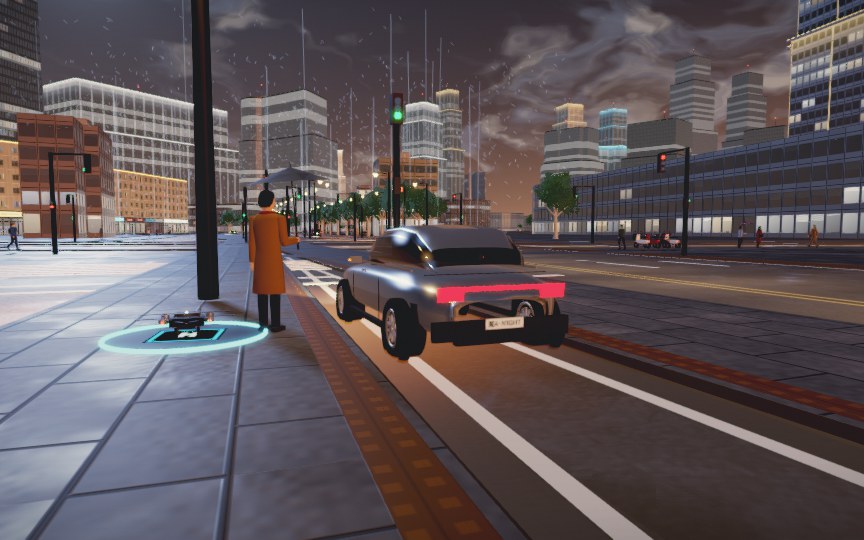
A pedestrian with an umbrella beside a stopped car on a rain-soaked street at night

魔都夜行 Modu Night Walk / OSM city

A single-file Three.js night on a 1:1 OpenStreetMap riverfront. The geometry is measured city; the names, shops and people are written. You get 23:00 to 01:00, seven errands, a phone that runs out of battery, and four ways to get home.

  • OSM outlines projected to local metres: 413 building footprints, 612 road segments, 503 paths, 114 green areas, 24 POIs. Names rewritten; the projection origin is not published.
  • Ferry, night bus, taxi, EV, drone and river cruise; interiors, weather, a light show and a scored ending for each route.
  • Drafted and iterated over dozens of DeepSeek passes; the final optimisation pass was done with Fable 5.2 and Opus 5.5.
Scope
2.5 × 2.2 km · 7 errands · 4 endings
Build
One HTML · 2.6 MB · zero requests
Stack
three.js r169 · WebGL · OSM / ODbL
Systems
Phone · camera scoring · drone · fines
Model
DeepSeek Flash → Fable 5.2 + Opus 5.5
Status
Technical preview, not a release
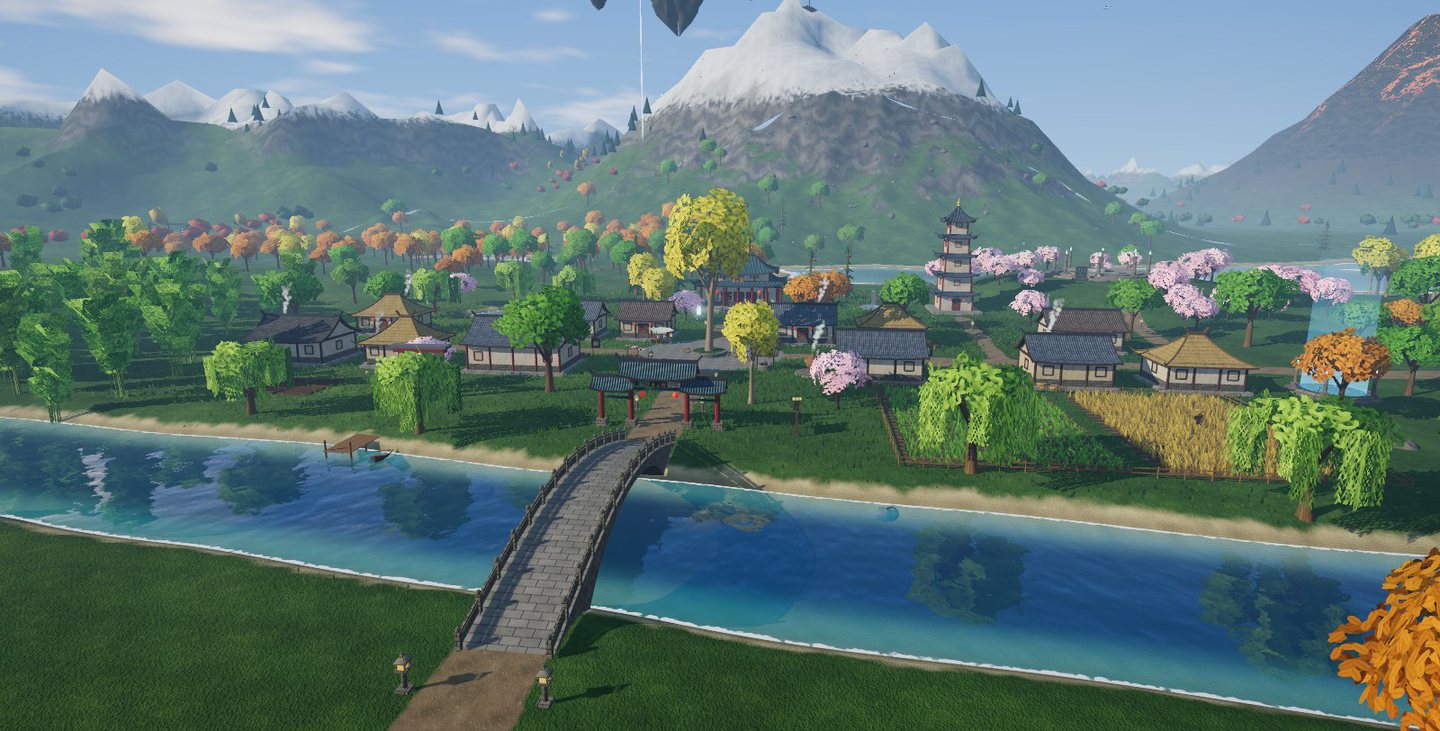
Qingyun village, river and stone bridge at dusk

青云渡 Qingyun Crossing / 修仙开放世界

A single-player 3D open-world cultivation demo that runs entirely in the browser: eight regions on one seamless map, a seven-chapter main line from a village bridge to the heavenly tribulation, and no external art or audio files at all.

  • Terrain, buildings, characters, textures and audio are generated at runtime; the shipped build is index.html plus one 1.3 MB game.js.
  • Action combat with a three-hit chain, parry, blink and four techniques; a five-floor roguelite realm with per-floor boons.
  • Farming, fishing, alchemy and sect standing feed the same progression that gates foundation building.
Scope
8 regions · 7 chapters
Build
2 files · 1.3 MB · no assets
Stack
three.js r187 · WebGL2 · esbuild
Tests
30 node:test checks in CI
Model
Fable 5.2 + Opus 5.5
Limits
Ends at early Golden Core · keyboard and mouse
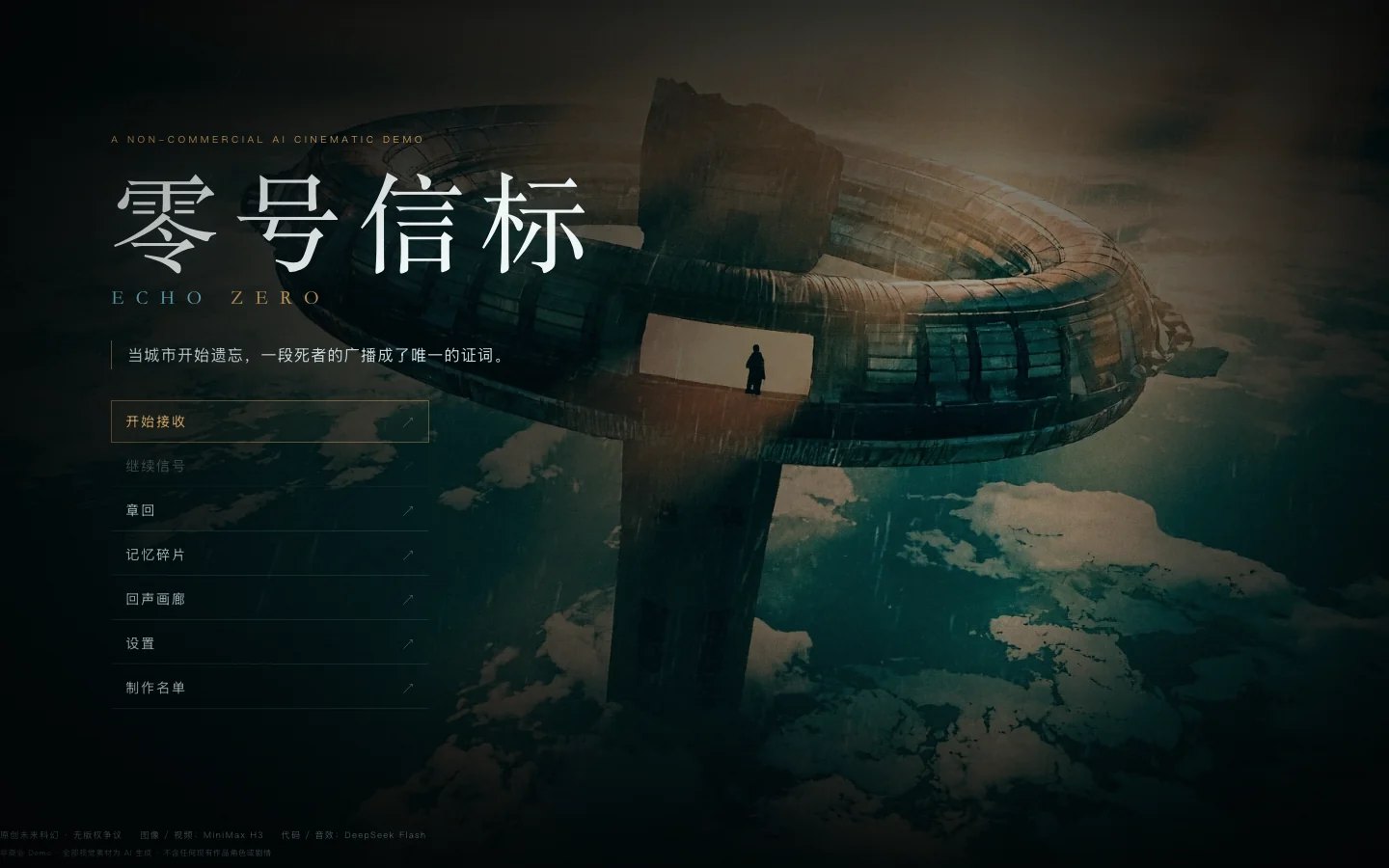
ECHO ZERO title screen with a dark ring structure above clouds

零号信标 ECHO ZERO / 蓝光游戏

A future-noir visual novel about memory, signal and a city that forgets. Three branching chapters, a gallery and an ending loop — built as a complete narrative surface, not a scene demo.

  • Generated scenes, character art, video and Chinese voice; code, UI and sound design by DeepSeek Flash.
  • Save / load, chapter select, gallery, settings and mobile layout.
  • Static GitHub Pages build; no backend and no runtime API keys.
Format
3 chapters · branching choices
Media
MiniMax H3 + Edge TTS + WebAudio
Build
Static single-page app
Status
Live, non-commercial
Model
DeepSeek Flash + MiniMax H3
Leverage
Code, UI, audio · MiniMax art/video/music · additional Chinese voice (Edge TTS)
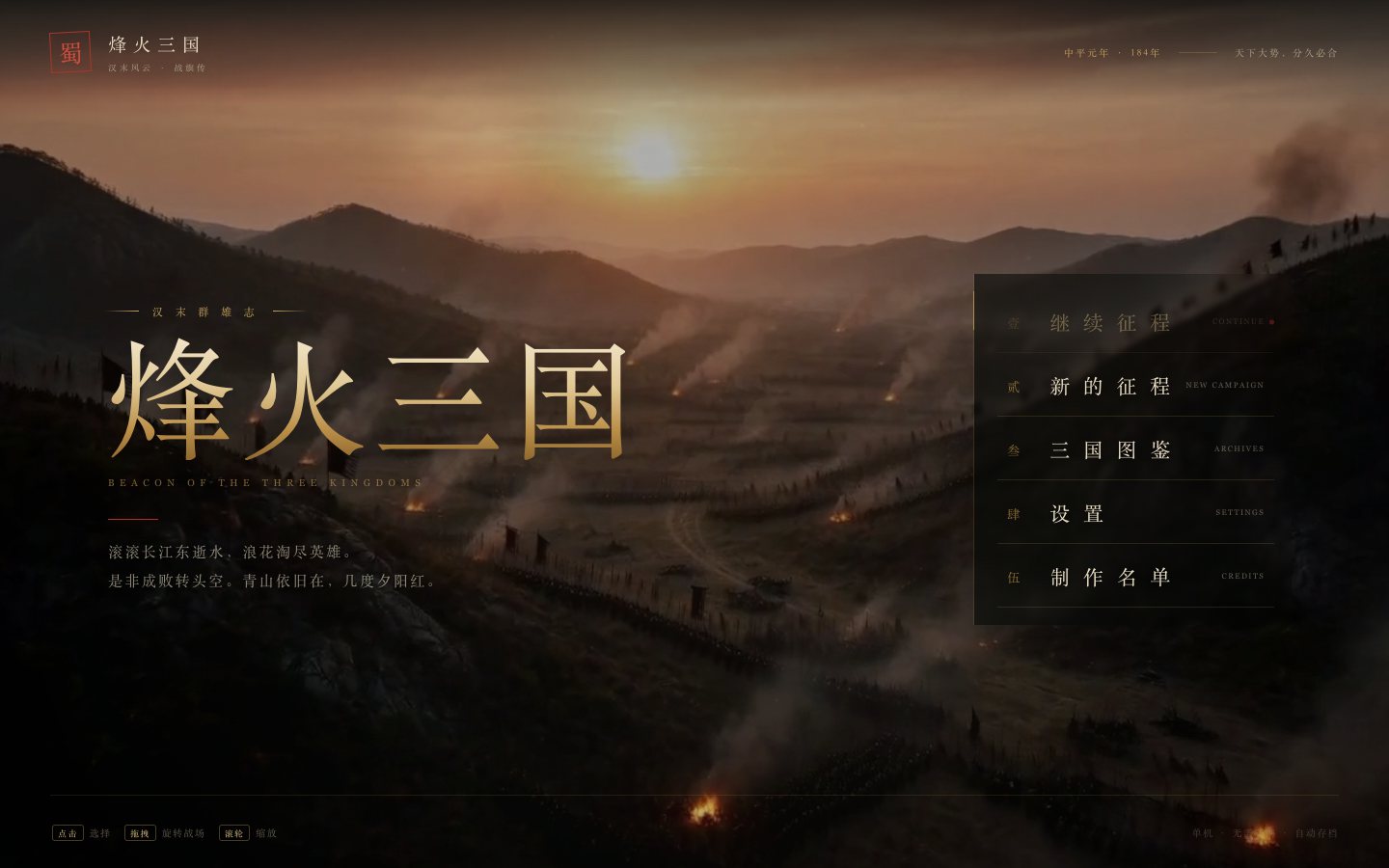
Beacon of the Three Kingdoms main menu

烽火三国 Beacon of the Three Kingdoms

A browser tactics vertical slice: 12 × 9 grid, 47 generals, 11 cities, weather, fire, morale, reinforcements and boss cut-ins. The goal was a complete loop — deploy, move, attack, level up, lose — not a cinematic trailer.

  • Turn order, terrain, counterattacks, flanking, supplies and auto-battle.
  • Generated portraits, unit art, terrain and video via MiniMax H3.
  • Code, UI, systems and procedural audio via DeepSeek Flash.
Scope
47 generals · 11 cities
Battle
12 × 9 grid · weather · fire
Stack
Three.js + MiniMax H3
Status
Non-commercial demo
Model
DeepSeek Flash + MiniMax H3
Leverage
Code, UI, audio · MiniMax-generated image and video assets
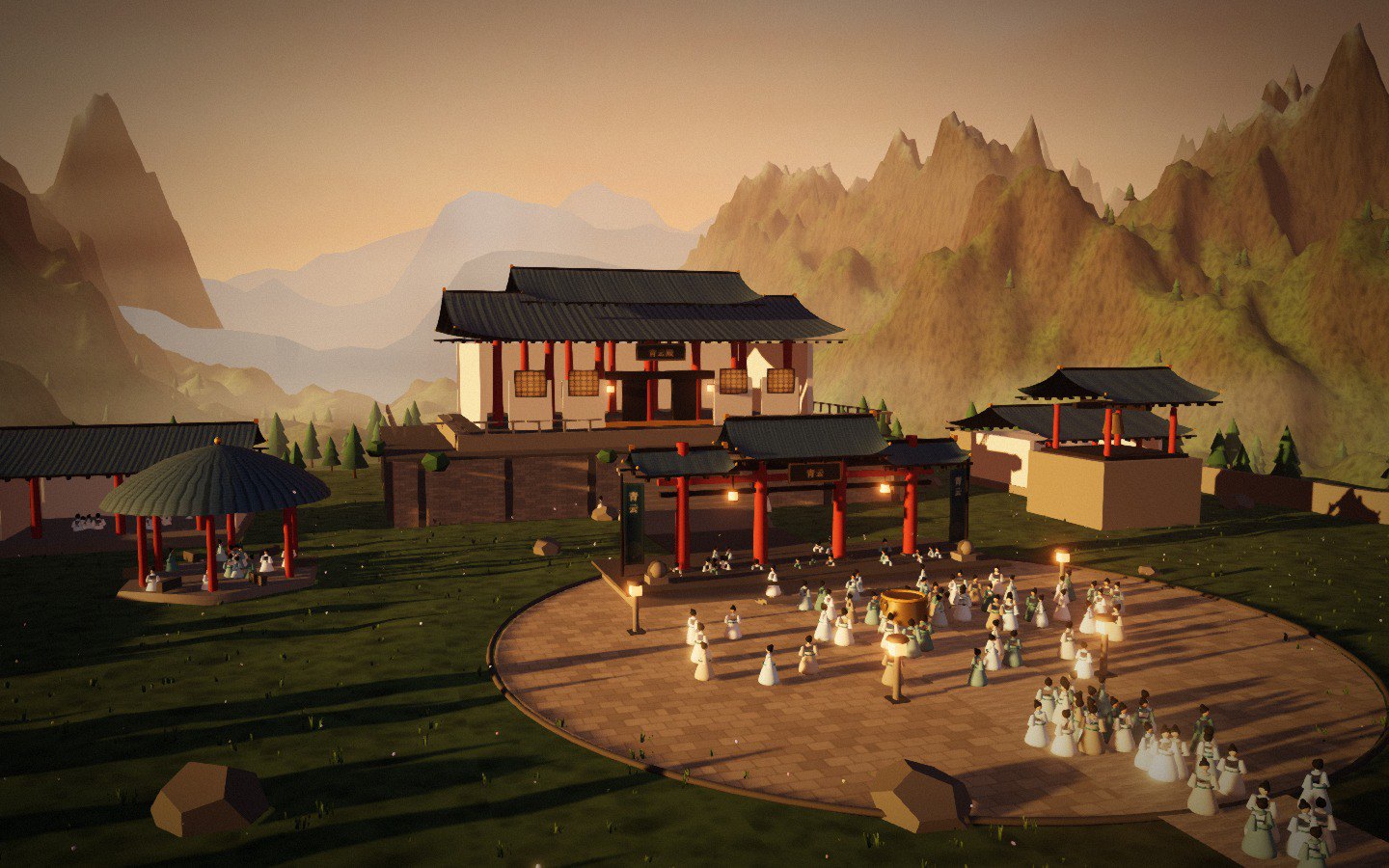
Immortal Sect mountain gate at dusk

仙宗 Immortal Sect / 修仙宗门

A 3D cultivation-sect management prototype used to test DeepSeek Flash's 3D capability: seven disciples, building upgrades, daily duties, third-person movement, combat and tribulation. The whole playable chapter runs in the browser with no backend.

  • Procedural models, materials and audio; no external asset files.
  • localStorage saves, old-save migration, mobile layout and pause/settings.
  • 73 Playwright checks covering desktop, phone, layout and legacy saves.
Scope
7 disciples · 12-day chapter
Stack
Three.js + TypeScript + Vite
Validation
73 Playwright checks
Status
Playable prototype
Model
DeepSeek Flash
Leverage
3D capability test · code, systems, docs, Playwright checks · procedural assets
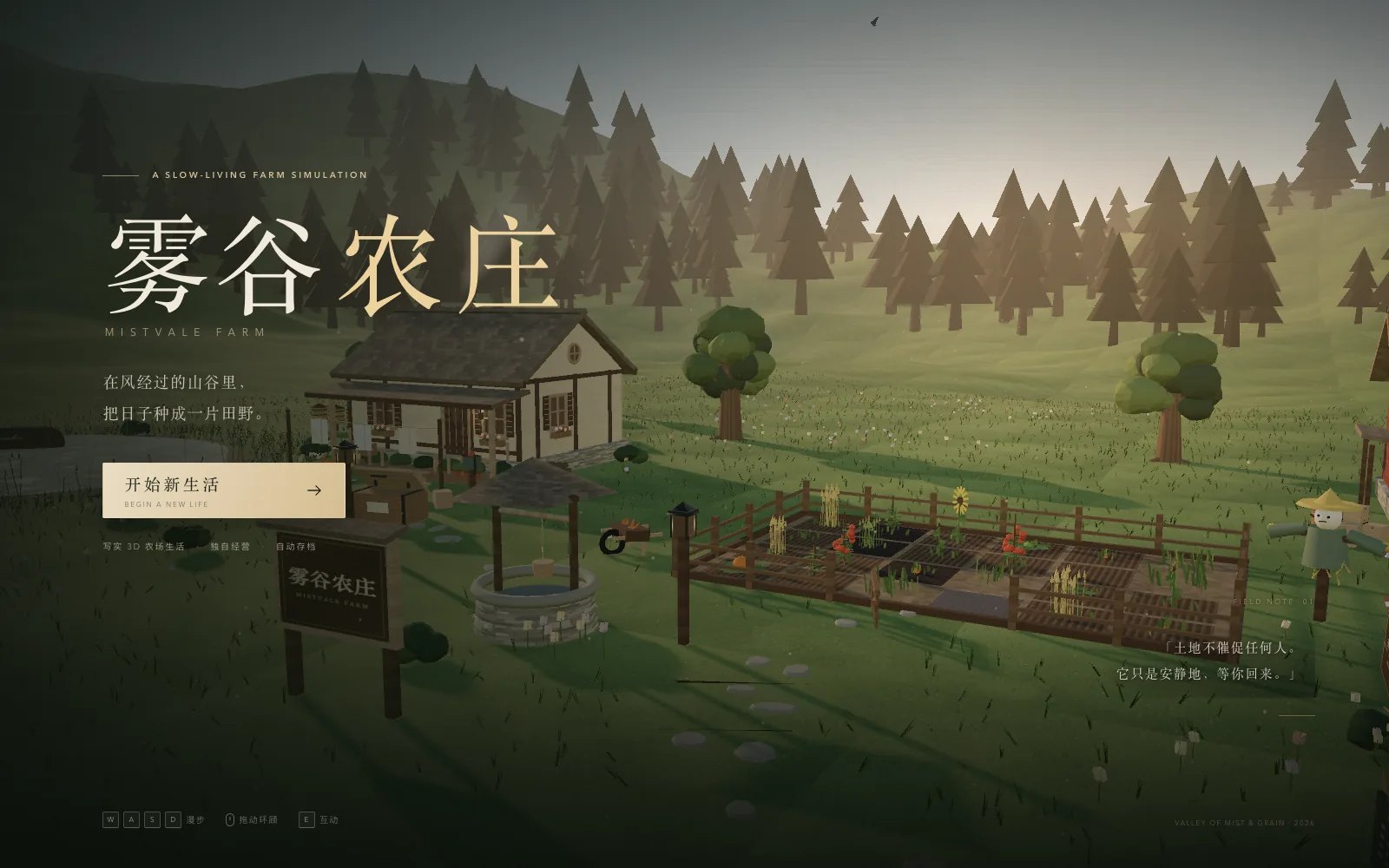
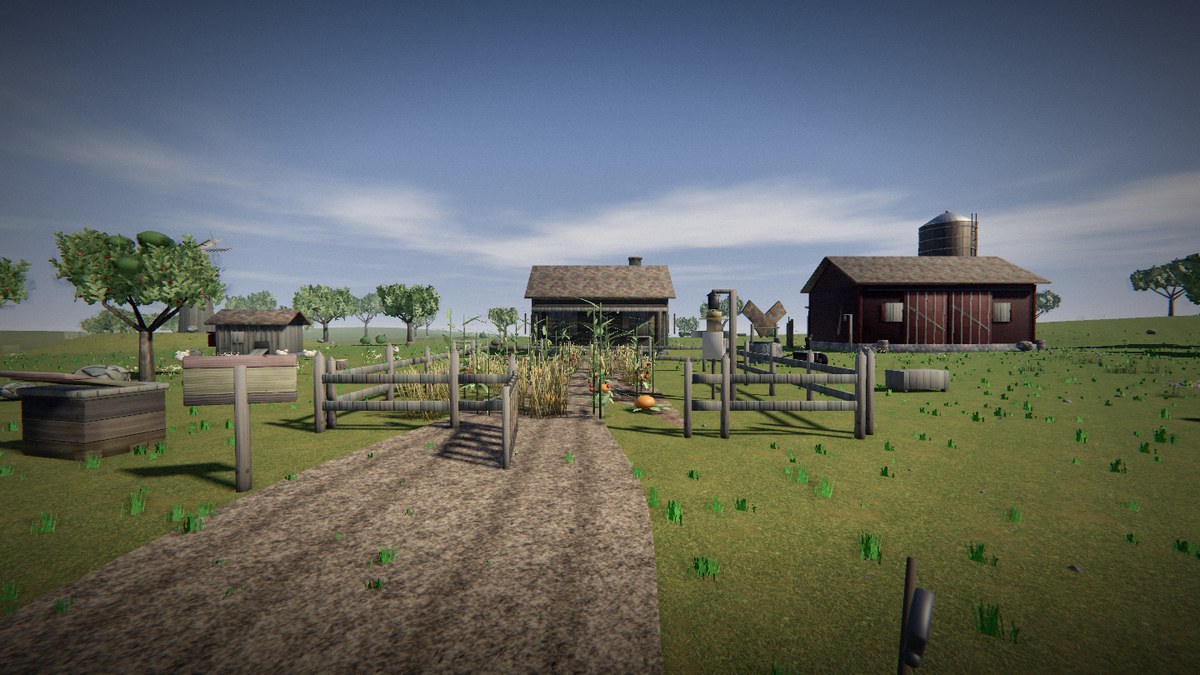
Mistvale Farm title screen with a farmhouse, well and vegetable garden at dusk.

雾谷农庄 Mistvale Farm

A third-person 3D farm-life game built with one DeepSeek Flash prompt: “做一款写实风的 3D 农场游戏.” Clear a plot, plant crops, tend them through a slow day/night cycle and turn a foggy valley into a home. Everything is generated in code — this is the no-Blender baseline; the Blender-assisted build is now part of the comparison below.

  • One prompt, no Blender, no external models, textures, fonts or audio files.
  • Procedural crops, tools, weather, water shader and WebAudio soundscape.
  • Static GitHub Pages build with local saves and mobile layout.
  • Compared with the Blender-assisted Harvest build below.
Stack
Three.js + Vite
Scope
Farm loop · weather · saves
Assets
100% procedural
Status
Live · Blender comparison
Model
DeepSeek Flash · one prompt
Leverage
No Blender · procedural models, weather, audio · compared with Blender build
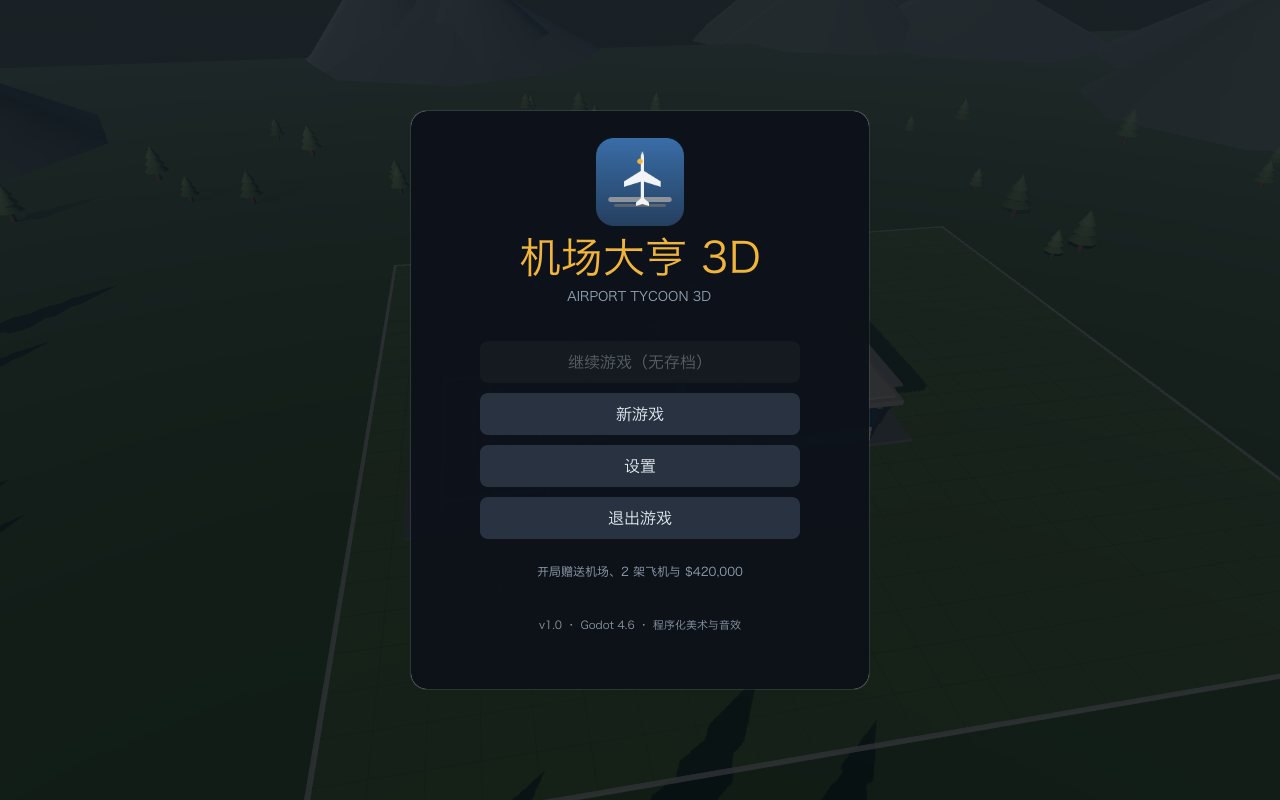
Airport Tycoon 3D main menu in Godot.

机场大亨 3D Airport Tycoon 3D

A Godot 4.6 airport management sim built as a test of DeepSeek Flash + DSH + Godot: buy or lease aircraft, open routes, build terminals and survive storms, strikes, oil spikes and inspections. Every mesh and sound is generated in code.

  • Full loop from menu to win/bankruptcy, with manual and automatic saves.
  • 3 aircraft, 8 destinations, 8 event types and a day/night cycle.
  • Desktop build. No public web export yet, so no online link is claimed.
Engine
Godot 4.6
Scope
3 aircraft · 8 routes
Platform
macOS · Windows · Linux
Status
Desktop build
Model
DeepSeek Flash + DSH
Leverage
Godot 4.6 · GDScript · procedural meshes and audio

02 / Comparisons

Four controlled runs.

Not every build is a product. Run 01 tests the harness on a 3D shooter: NEON BREACH without it, BLACK ICE through it. Run 02 repeats the question on city karts. Run 03 renders the same brief three ways: a local quantisation, the hosted original and a fresh Fable 5.2 build. Run 04 compares one farm concept with and without Blender.

Run 01 / Harness validation

Does the harness change the result?

The Photoreal Game Harness here means the skill: the photoreal-game procedure plus its six gates. A 3D-shooter comparison, two loops: NEON BREACH without it, BLACK ICE through it. The comparison asks what the harness changes and what it catches.

Harness = skill + six gates

  • 01Shader
  • 02Object census
  • 03Collision
  • 04Lights
  • 05Loop
  • 06Look
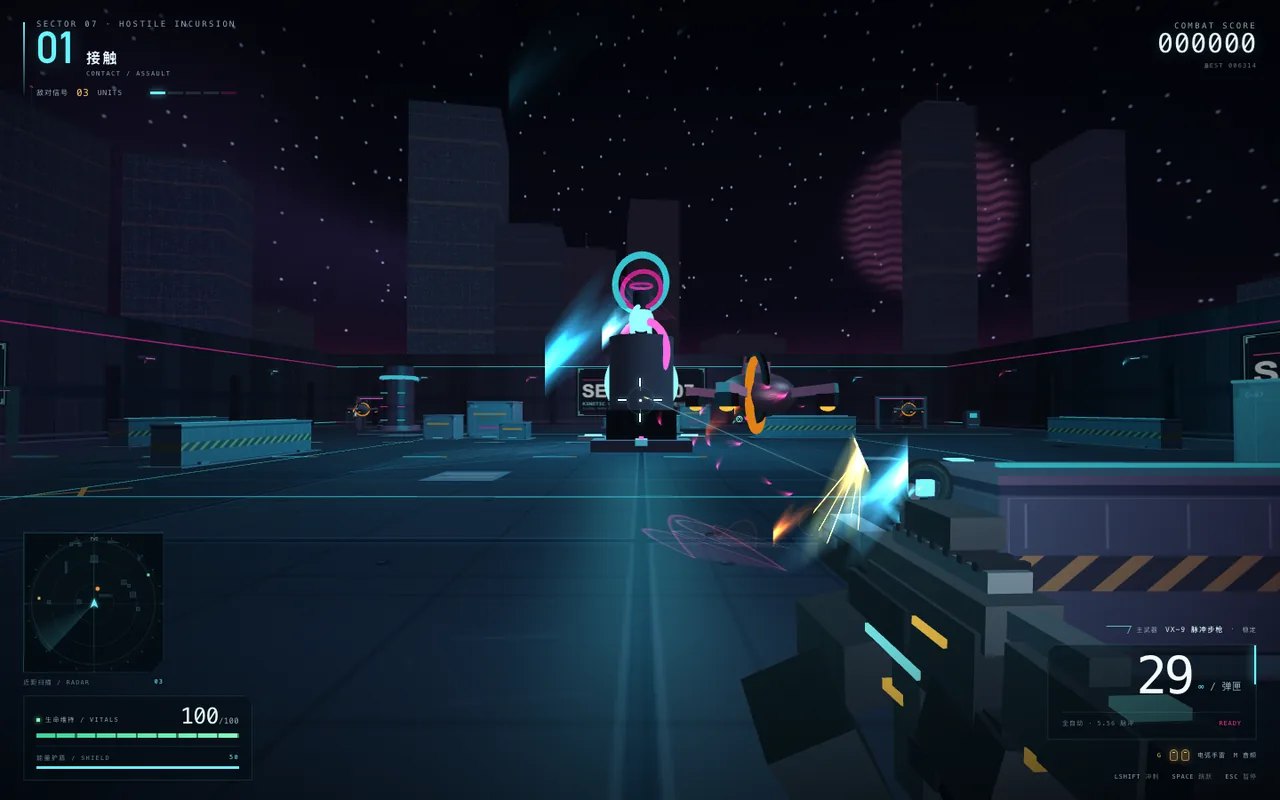
Neon Breach first-person neon arena with a weapon and enemy.
A / No skillNEON BREACHDeepSeek V4.1 Flash · pure API · 5 waves
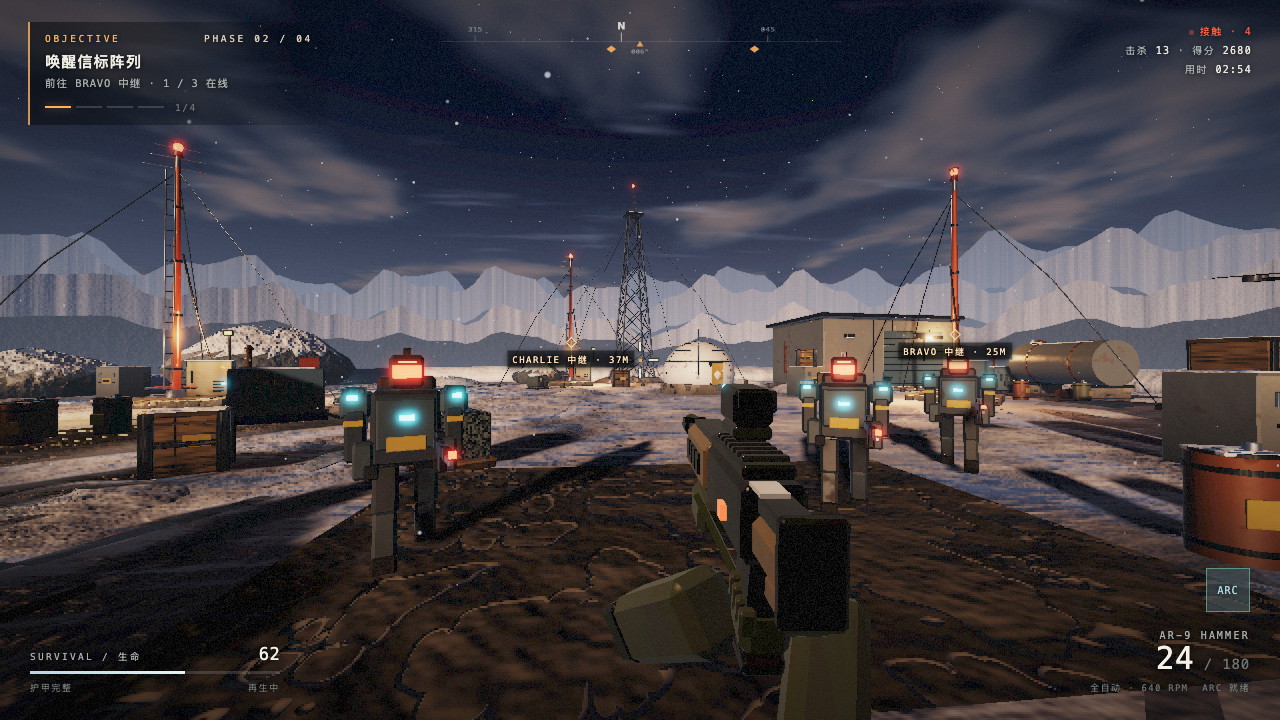
Black Ice arctic outpost firefight: robots, relay towers and first-person weapon.
B / With skillBLACK ICE / 白夜站8 / 8 gates · 163 draw calls · 127k tris · 318 KB

A is the no-skill control; B is the skill run. Not a controlled model benchmark. Read the harness notes

Run 02 / Harness validation

Same harness, second domain: city karts.

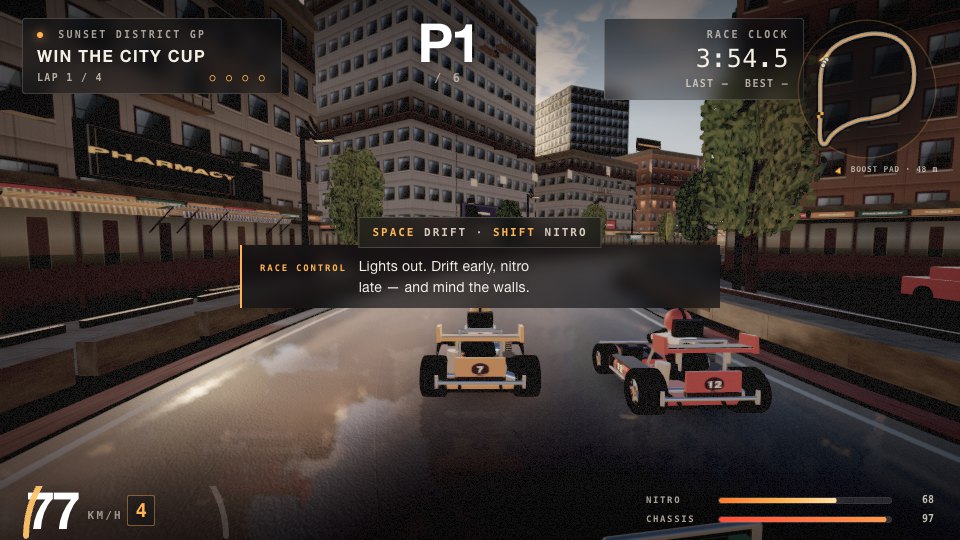
The same no-skill versus skill question, now on city karts: Sundown Circuit without the skill, SUNSET DISTRICT through it. A different genre should expose different failures.

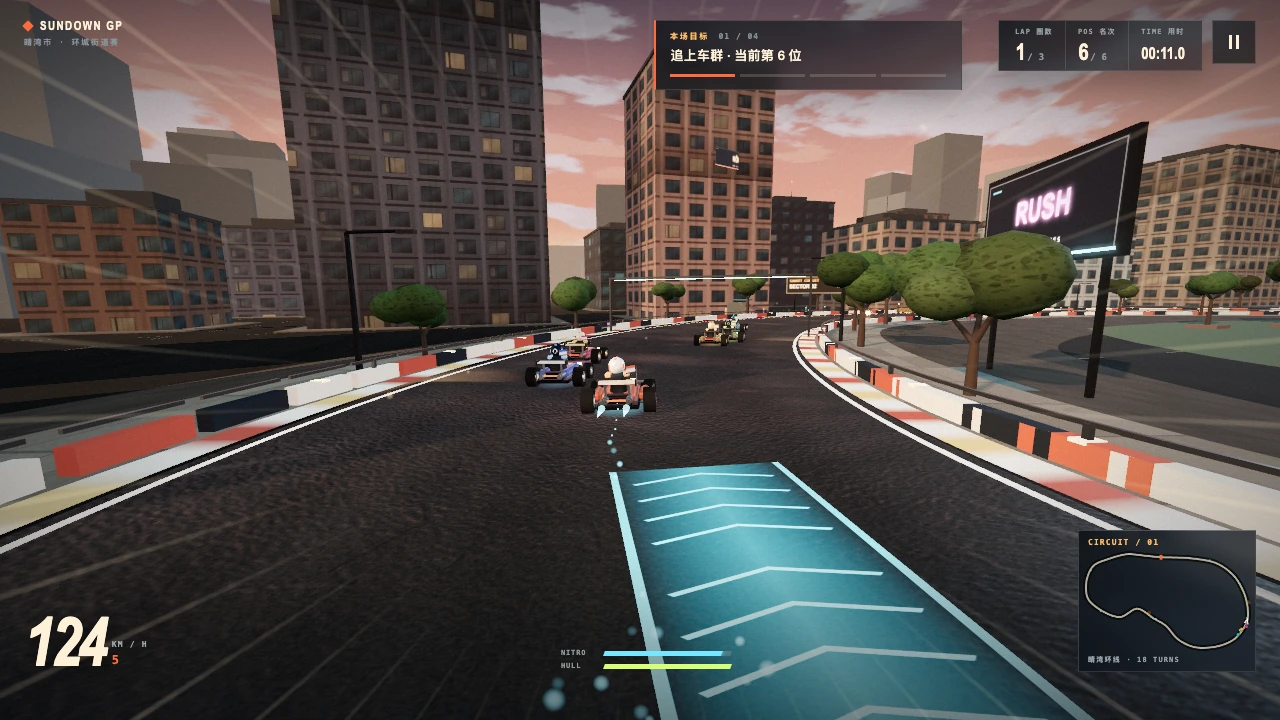
Sundown Circuit city kart race: karts on a neon-lit street with a cyan boost pad.
A / No skillSundown Circuit / 落日环线3 laps · 860 m · 6 karts
Sunset District city kart race: two karts on a wet downtown street, race HUD and minimap.
B / With skillSUNSET DISTRICT4 laps · 5 rivals · 636 draw calls

A is the no-skill control; B is the skill run. Not a controlled model benchmark.

Run 03 / Model & generation

One brief, three builders.

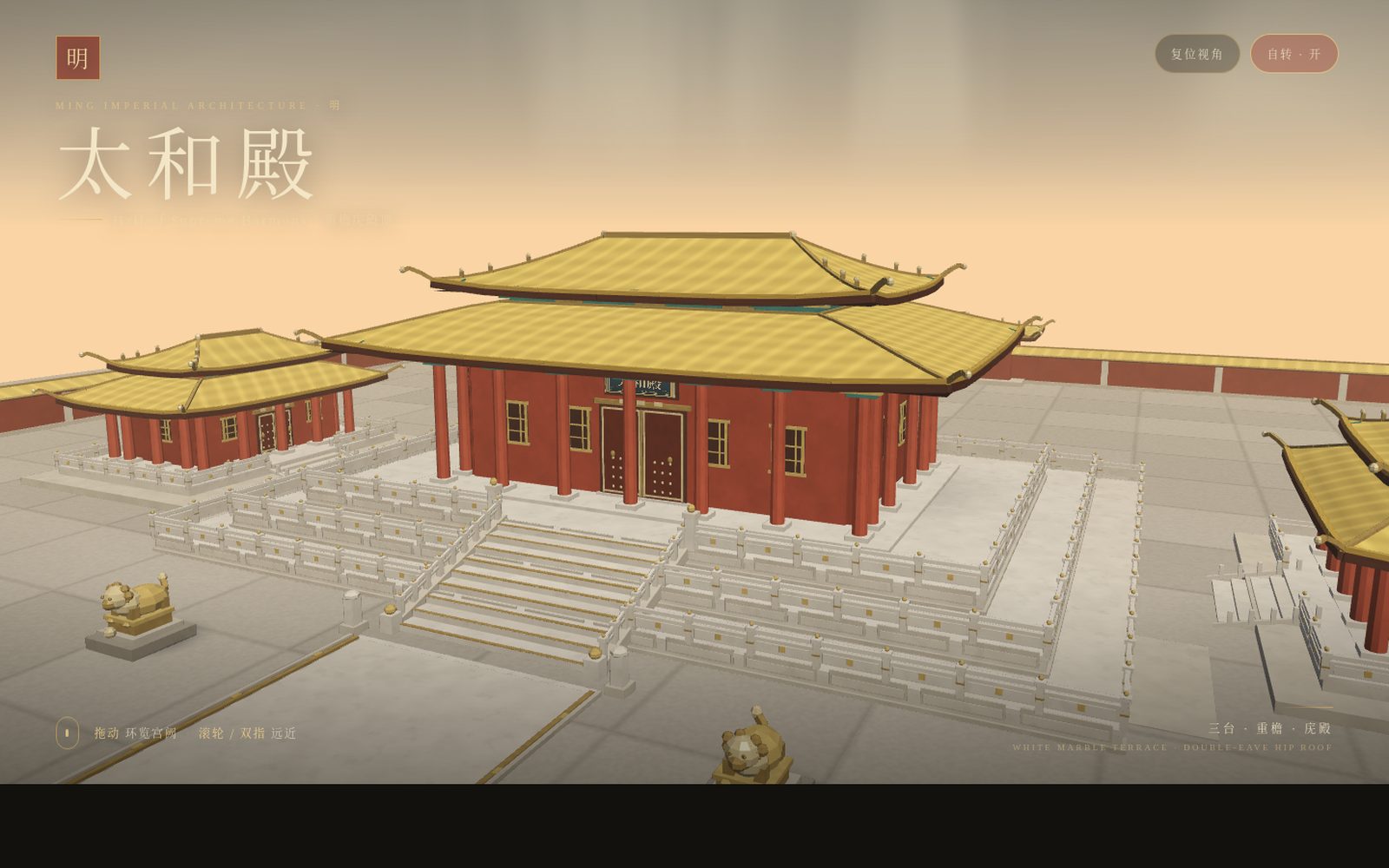
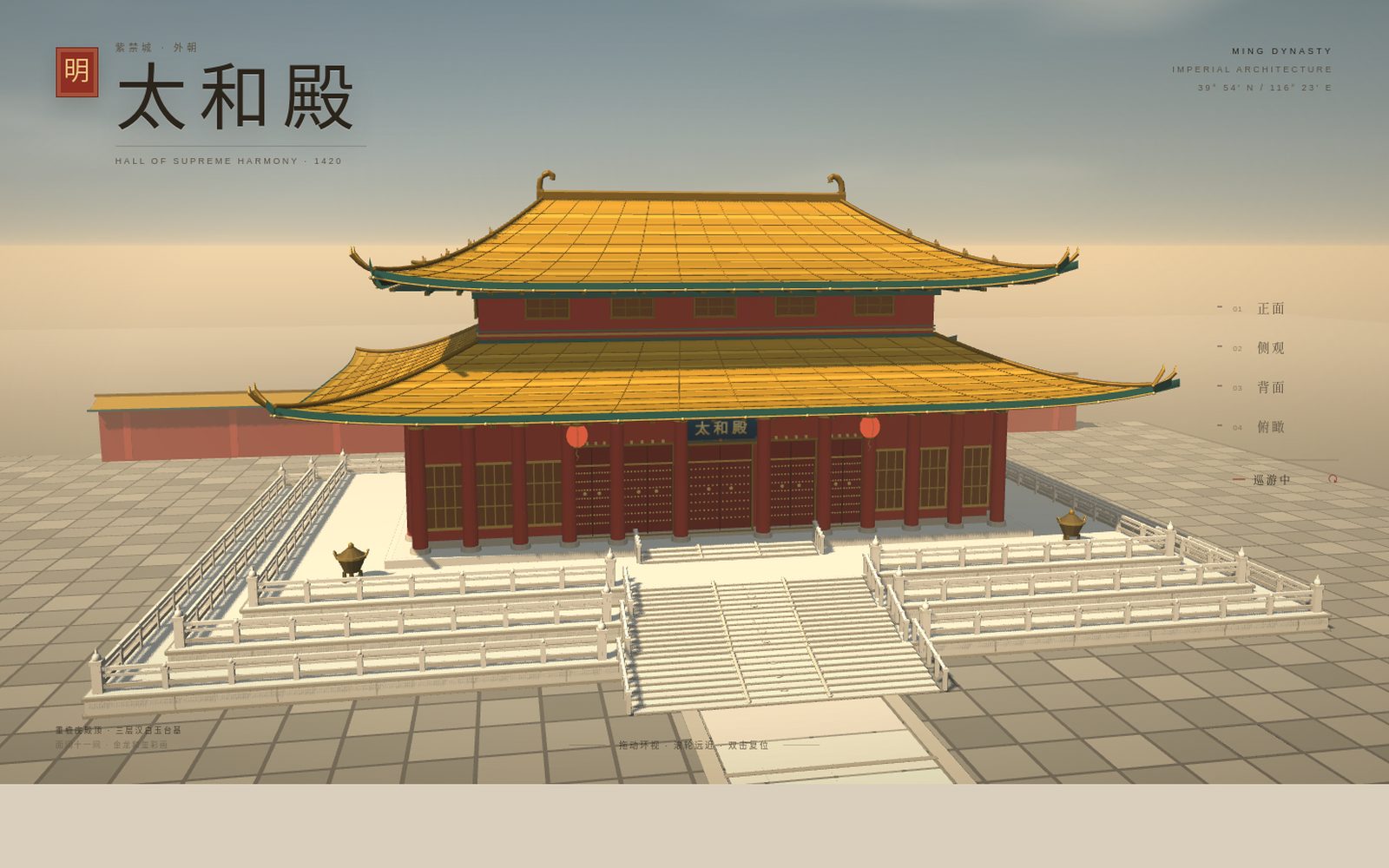
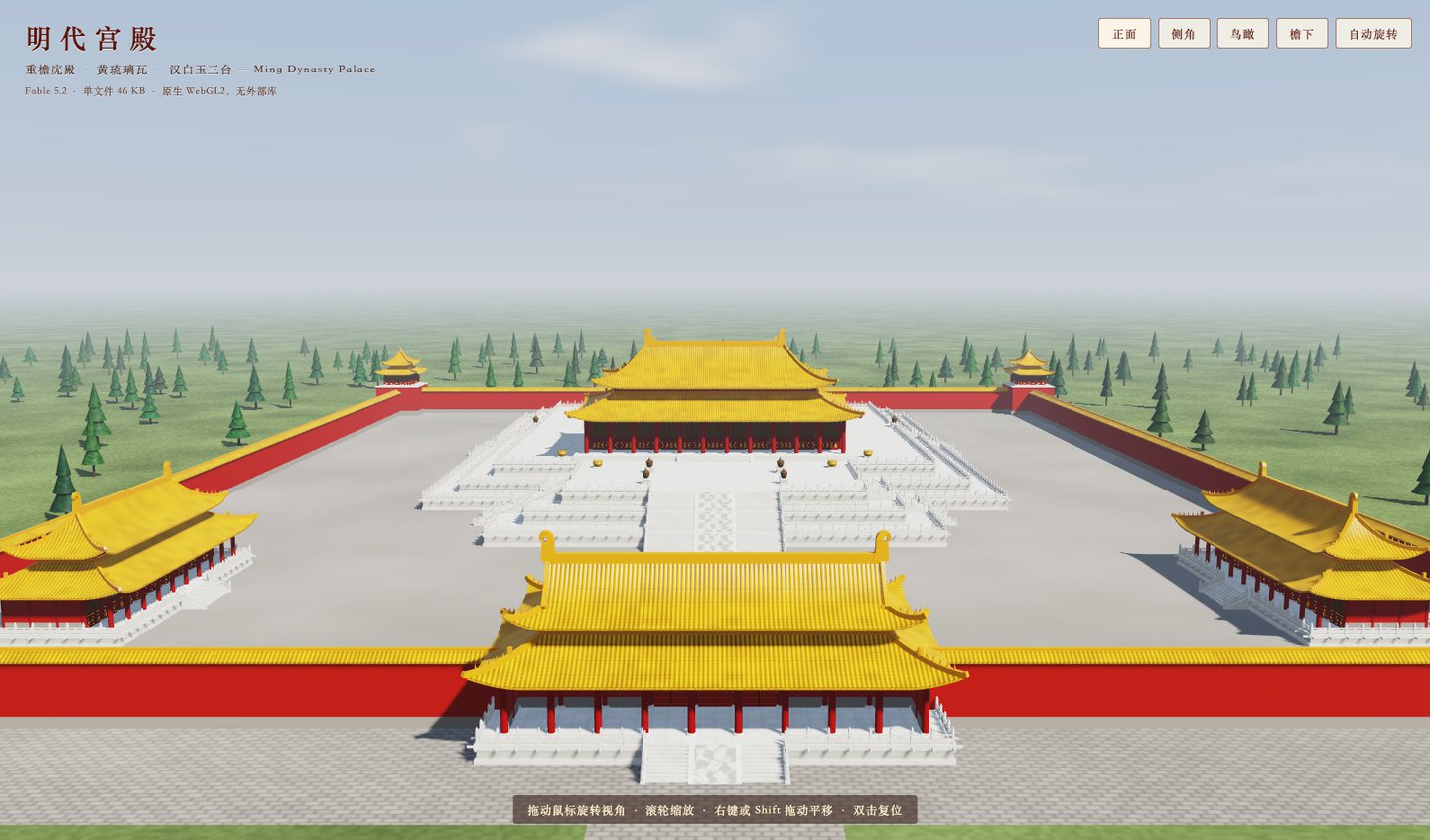
The same Ming palace brief through three systems: a locally served Maya-XS quantisation, the hosted original checkpoint, and Fable 5.2 writing a new single-file build from scratch.

Local Maya-XS quantised Ming palace: warm morning light, gold roof and white stone terrace.
A / Local · ~1.6 bitMaya-XS93 GB · 131K context · 91 KB output
Original online Ming palace: bright hazy sky and straight-on elevation with four view presets.
B / Online · originalDeepSeek Flash 1017Original · 85 KB output
Fable 5.2 Ming palace: gate wall in front, main hall on a three-tier white marble terrace, side halls and pines behind.
C / Fable 5.2Fable 5.246 KB single file · raw WebGL2 · 4 views

Three builds from one brief; not a controlled model benchmark. The journal explains what is and is not comparable.

Run 04 / Asset pipeline

Same farm, two asset pipelines.

One farm concept, two ways to get the assets: code and a prompt, or Blender scripts exporting GLB. The question is not which is prettier, but where the assets come from and how hard they are to revise.

Mistvale Farm title screen with a farmhouse, well and vegetable garden at dusk.
A / No BlenderMistvale FarmOne prompt · code-only · Three.js
Harvest farm in daylight: barn, silo, fences, crops and a dirt path.
B / Blender拾穗 · HarvestBlender-generated assets · 39 props · GLB

Same concept, different pipeline; not a controlled art comparison. Mistvale is the code-only baseline, Harvest is the Blender-assisted build.

03 / Coding & tooling

Tools that make the stack legible.

Coding experiments are not side quests. They are where the model work becomes inspectable: the harness itself, local-first documents, spatial editing and quota state.

minidsh / plugins

$ minidsh plugins

agent.basicon

workflowoff

MockModel · Python 3.9+

sessionJSONL · traceable

Agent harness · Python

MiniDSH dsh-python-lab

A Python reimplementation of DeepSeek Harness's layers: plugins, tools, approvals, JSONL sessions, subagents, skills, schedules, goals and PTC. It starts with a deterministic MockModel; the DeepSeek adapter is separate.

ModelNot recorded · Python 3.9+ · zero core dependencies

Stack
Python 3.9+
Core deps
Zero
Scope
Agent loop · sessions · subagents
Status
Public repo
MockModel firstTextbook GitHub
NorMark — notes.md
Workspace
01 / NOTES Build notes

Keep the pipeline inspectable.

Measure. Write it down. Remove the extra.

macOS app · Electron

NorMark

A Markdown reader and editor for Mac with CodeMirror, live preview, workspaces, PDF export, focus mode and typewriter mode.

ModelNot recorded · Electron / React / CodeMirror app · no model note in the repo

Stack
Electron · React · TS
Focus
Writing · preview
Status
Public repo
Desktop appGitHub
sensorium / overview

GPU097% · 21.5 GB · 71 °C

GPU172% · 19.7 GB · 75 °C

power 180 / 180 W · capped

CPU4.6% of one core

88 threads · 0.05% of the box

repaint0.34 ms

Tooling · Rust

sensorium 机器的感官中枢

A terminal hardware monitor written in Rust: CPU, GPU, memory, temperatures, fans, power, disks and network, read straight from /proc, /sys and NVML with no child processes at all.

Stack
Rust · ratatui
Cost
~4–6% of one core
Memory
~24 MiB resident
Refresh
1 s · 0.2–0.35 ms repaint
Binary
~1.2 MB · stripped, LTO
Status
Public repo
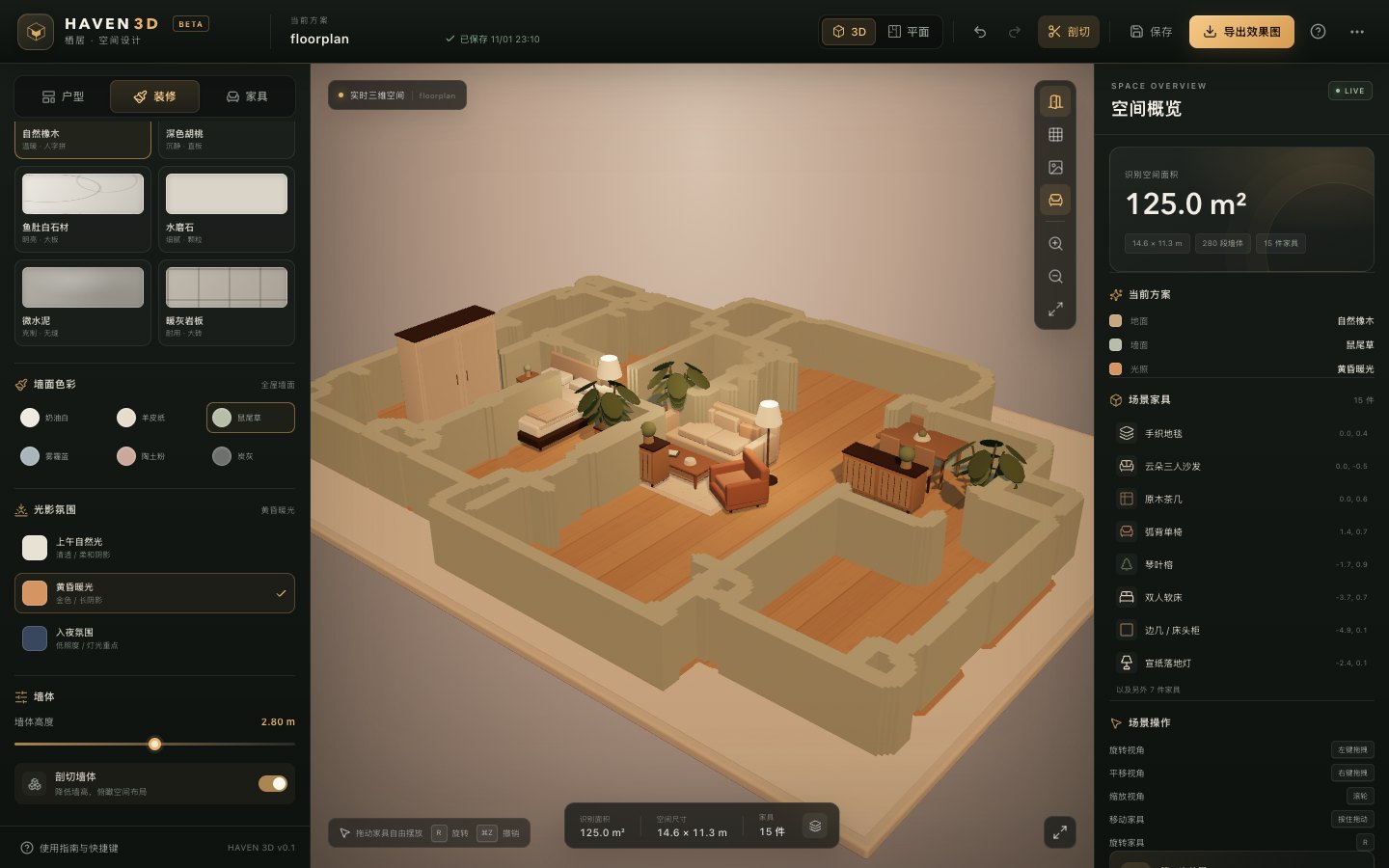
RoomTessera 3D interface with a floor plan, furniture and a 3D cutaway view.

Spatial tool · React Three Fiber

RoomTessera 3D

Upload a floor plan and get an editable 3D apartment: wall recognition, 15 furniture types, materials, measurement and local saves.

ModelDeepSeek Flash · Code, UI and tests · procedural geometry and materials

Stack
React · Three.js · Vite
Scope
Walls · furniture · light
Status
Live preview
Spatial editingPlay
dsh / quota status

$ dsh quota status

OpenCode Go96% left

rolling window · 1h 0m reset

DeepSeek API¥42.50

balance source

Ark Coding Plan¥188 / ¥200

Tooling · TypeScript

dsh-quota

Route-aware quota and spend widgets for DeepSeek Harness. A model switch changes what the UI should show: plan remaining, API balance or locally recorded spend.

ModelDeepSeek V4.1 Flash · Code, tests and docs · config-driven adapters · 51 tests

Stack
TypeScript · Node · YAML
Validation
51 tests
Status
Local tool
Source on requestNo secrets in config

04 / Workloads

What the workstation runs.

Five workloads share one 44 GB budget: a 20B video model across both cards, a still-image model, a music model, a 27B text model at 256K, and the benchmarks that keep all of it honest. Only the video row needed a probe to make the second card count.

Workloads the workstation runs, with the limits that bound each one
WorkloadModelLimitsMeasuredDetails
VideoMiniMax H3 · 20.11B · W4A873 frames · 1344×768 native · 4-step Turbo82 s per 4-step clip · 2.97× over one cardvideo stack
ImageH3-Image DiT · W4A86 steps · cfg 1.0 · presets from 1344×768 to 6272×268878 s per 2k image (2048×1152, cold start)API contract
AudioMiniMax Music3 · fp1630 steps · cfg 1.7 · lyrics with [verse]/[chorus]305 s per 30 s track (751 AR steps + 30 diffusion steps)API contract
TextQwen3.8-27B-FP8 · W8A16256K context · one sequence at a time46 tok/s thinking · 52 off · 1,978 tok/s prefill at 4Ktext stack
ExperimentsStrata 125B MoE · LMExamBench · TP2 probes128K context · 8 eval stages · 22 GB per cardprobes and plans; eval runs of 8 questionsrestarts · evals

One budgetEvery row competes for the same 44 GB of VRAM. Nothing here runs at the same time as anything else: the video model owns both cards while it samples, and the text model has to be stopped first. Timings are cold starts through the job API with a fixed seed, so they include model loading.

h3 / tp2 bench · 640×352

single card51 s / step

TP214 s / step

243 s → 82 s per 4-step clip

speedup2.97×

GEMM overlap 5% → 91%

GPU1 peak78 °C · 4 min

Video · SM75 · TP2

MiniMax H3 TP2 双卡张量并行

A 20.11B video-and-audio transformer in W4A8, sharded across two 22 GB Turing cards. The interesting part is not that it fits — it is that sharding alone only reached 1.31×.

Model
20.11B · 50 blocks
Quantisation
W4A8 · int4 group 16
Speedup
2.97× smoke · 2.25× film
Fix
One host thread per rank
Output
Bit-identical · frame MAE 0.0000
Status
Public repo · MIT code